
Views: 0 Author: Site Editor Publish Time: 2025-06-11 Origin: Site


In the realm of closet organization and interior design, the wardrobe tube serves as a fundamental component that bears the weight of your garments while contributing to the overall aesthetic of your wardrobe space. Selecting the appropriate Round Wardrobe Tube is crucial for ensuring both functionality and longevity in your closet system. This comprehensive guide delves into the essential factors to consider when choosing the right round wardrobe tube, including material selection, load capacity, dimensional specifications, and installation considerations. By understanding these elements, you can make an informed decision that enhances the performance and appearance of your wardrobe.
Wardrobe tubes, commonly known as closet rods or rails, are the horizontal supports installed within wardrobes and closets from which clothing is hung. They are designed to withstand significant weight and frequent use, making their selection a critical aspect of closet design. The round wardrobe tube is a popular choice due to its classic design and uniform strength distribution, which makes it suitable for a wide range of applications.
While wardrobe tubes come in various shapes and sizes, the primary types include round and oval tubes. Round wardrobe tubes are favored for their traditional appearance and ease of compatibility with standard brackets and fittings. Their symmetrical shape ensures even weight distribution, reducing the risk of bending under load. Oval tubes, on the other hand, offer a sleek, modern aesthetic and may provide additional strength due to their geometric design. However, this guide focuses on the intricacies of selecting the right round wardrobe tube for your needs.
Selecting an appropriate wardrobe tube is not merely a matter of aesthetics; it directly impacts the functionality and safety of your closet. An inadequately chosen tube may result in sagging or, worse, collapsing under the weight of clothing, leading to potential damage to both garments and the wardrobe structure. Therefore, understanding the key factors that influence the performance of a wardrobe tube is essential.
The primary function of a wardrobe tube is to support the weight of hanging clothes without significant deflection or bending. The tube must be robust enough to handle the cumulative weight of various garments, which can be substantial. For example, a single heavy overcoat can weigh up to 3 kilograms, and when combined with other items, the total load can quickly add up. A well-chosen round wardrobe tube will maintain its structural integrity over time, ensuring that your wardrobe remains functional and secure.
Beyond functionality, the wardrobe tube also contributes to the visual appeal of the closet interior. The choice of material and finish can either complement or detract from the overall design scheme. For instance, a brushed stainless-steel tube offers a sleek, modern look, while a polished chrome finish adds a touch of elegance. Selecting a wardrobe tube that aligns with your design preferences enhances the aesthetic harmony of your space.
Choosing the right round wardrobe tube involves considering several critical factors. These include the material composition, diameter and wall thickness, load capacity, finish and coating, and compatibility with existing hardware. Each of these elements plays a significant role in the tube's performance and suitability for your specific application.
The material of the wardrobe tube is a fundamental aspect that determines its strength, durability, and appearance. Common materials used for round wardrobe tubes include:
- Stainless Steel: Renowned for its excellent strength-to-weight ratio and corrosion resistance, stainless steel is ideal for high-humidity environments or where durability is paramount. It's an excellent choice for a long-lasting wardrobe tube that retains its appearance over time.
- Chrome-Plated Steel: Offering a bright, reflective finish, chrome-plated steel combines the strength of steel with an attractive appearance. While the chrome layer provides some corrosion resistance, care must be taken to prevent scratches that can expose the underlying steel.
- Aluminum: Lightweight and resistant to corrosion, aluminum is suitable for applications where weight is a consideration. However, it may not offer the same load-bearing capacity as steel, making it more appropriate for lighter loads.
- Brass: Used in high-end applications, brass provides a distinctive appearance and good corrosion resistance. It is typically more expensive and often selected for its aesthetic qualities.
The diameter and wall thickness of a wardrobe tube significantly influence its structural integrity and load-bearing capacity. Common diameters range from 19mm (approximately 3/4 inch) to 32mm (approximately 1-1/4 inch). Larger diameters generally offer greater strength and are less prone to bending under heavy loads.
Wall thickness, which typically varies between 0.8mm and 2mm, contributes to the tube's rigidity. Thicker walls enhance the tube's ability to withstand stress, making them suitable for heavier garments or longer spans without intermediate support. When selecting a tube, it's essential to balance diameter and wall thickness to achieve the desired strength without unnecessarily increasing weight or cost.
Understanding the expected load is critical in selecting a wardrobe tube that will perform reliably. Consider the types of garments you intend to hang and estimate their combined weight. For instance, a meter-long section of the tube may need to support upwards of 25 kilograms or more when fully loaded.
Manufacturers often provide load ratings for their products. It's advisable to select a tube with a load capacity that exceeds your estimated needs to incorporate a safety margin. Additionally, for spans longer than a meter, integrating center support brackets can distribute the weight more evenly and prevent sagging, thus maintaining the tube's structural integrity.
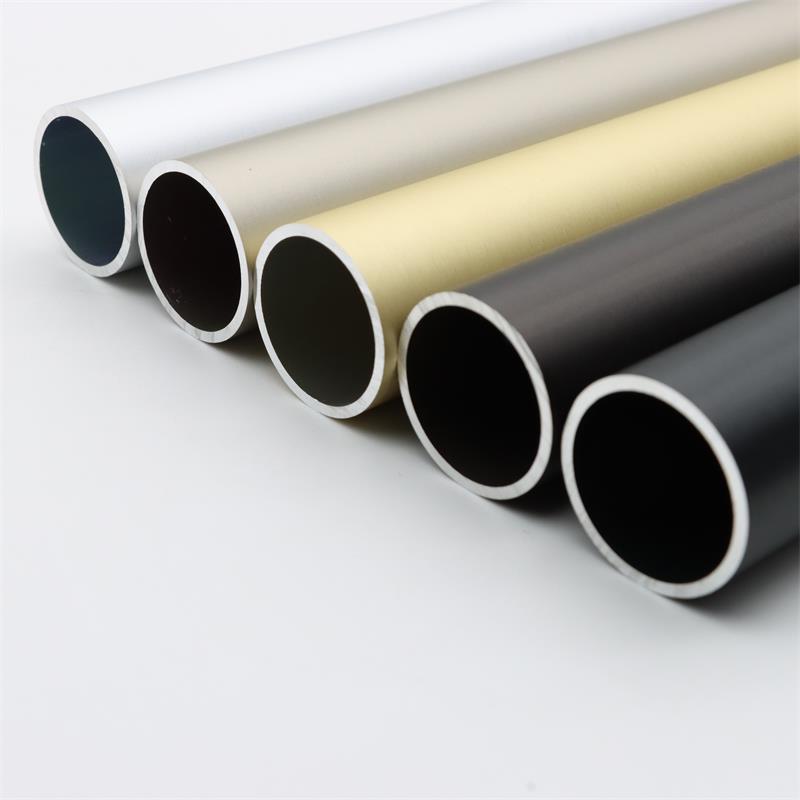
The finish of the wardrobe tube affects both its appearance and its resistance to wear and corrosion. Common finishes include:
- Polished Finish: A smooth, shiny surface that reflects light, adding brightness to the interior space. Polished finishes are aesthetically pleasing but may show fingerprints and smudges more readily.
- Brushed or Satin Finish: Provides a muted, textured appearance that hides minor scratches and fingerprints. This finish is popular for a contemporary look and requires less maintenance to keep it looking clean.
- Powder Coating: Available in various colors, powder-coated tubes offer customization options to match or contrast with the wardrobe interior. The coating also adds a layer of protection against corrosion and wear.
Selecting a finish that complements other elements in your wardrobe, such as handles, hinges, and fittings, contributes to a cohesive design aesthetic.
Ensuring that your chosen wardrobe tube is compatible with available brackets, end supports, and center supports is essential for a successful installation. Standardized diameters facilitate compatibility, but it's important to verify that the fittings match the tube's specifications. For instance, a tube with a 25mm diameter requires brackets designed for that size.
Additionally, consider whether you require specialized accessories, such as adjustable brackets or decorative end caps, which can enhance both the functionality and appearance of your wardrobe system.
Proper installation is vital to maximize the performance and lifespan of your wardrobe tube. This involves not only selecting the right tube but also ensuring that it's correctly installed using appropriate hardware and techniques.
Select mounting brackets and supports that are compatible with the diameter and style of your wardrobe tube. High-quality brackets are typically made from durable materials like metal alloys and are designed to securely hold the tube without flexing or loosening over time. Using inadequate or mismatched hardware can compromise the stability of the tube, leading to potential failures.
For longer spans, it's advisable to incorporate center support brackets to prevent sagging. As a general guideline, install a center support for every 900mm (approximately 3 feet) of tube length, especially when the tube is expected to bear heavy loads. This ensures even weight distribution and prolongs the life of both the tube and the mounting hardware.
Brackets should be securely fastened to structural elements, such as wall studs or solid wood panels, using appropriate screws or bolts. This provides a sturdy foundation capable of supporting the combined weight of the tube and garments. If attaching to drywall or other non-structural materials, use suitable anchors to ensure stability.
Regular maintenance of your wardrobe tube and associated hardware ensures optimal performance and extends its lifespan. Simple practices can keep your tube looking and functioning like new for years to come.
Clean the wardrobe tube periodically to remove dust, dirt, and any residues that may accumulate. Use a soft cloth dampened with mild soap and water for general cleaning. Avoid abrasive cleaners or rough materials that could scratch the surface, especially for polished or coated finishes.
Regularly inspect the tube and mounting hardware for signs of wear, corrosion, or looseness. Tighten any loose screws and replace components that show significant wear or damage. Early detection of potential issues allows for timely maintenance, preventing more severe problems in the future.
A residential client experienced sagging in their existing wardrobe tubes, which were made of lightweight aluminum with insufficient wall thickness. The tubes were unable to support the weight of heavy winter clothing, leading to noticeable bending and potential failure points. After assessing the situation, the decision was made to upgrade to stainless steel Wardrobe Tube with a larger diameter and increased wall thickness. This solution provided enhanced strength and rigidity, eliminating sagging and improving the overall functionality of the wardrobe. The stainless-steel tubes also offered aesthetic improvements, aligning with the client's modern interior design preferences.
Industry experts emphasize the importance of considering future needs when selecting a wardrobe tube. As wardrobes often expand over time, selecting a tube with a higher load capacity can accommodate additional garments without requiring further upgrades. Furthermore, professionals recommend sourcing tubes and hardware from reputable suppliers who adhere to quality standards, ensuring that materials meet specified load ratings and durability expectations.
Investing in high-quality components not only enhances the immediate functionality of your wardrobe but also provides long-term value by reducing the need for repairs or replacements. This approach aligns with sustainable practices, as durable products contribute to reduced material waste over time.
Selecting the right round wardrobe tube is a crucial step in designing a functional and aesthetically pleasing wardrobe. By carefully considering factors such as material composition, diameter, wall thickness, load capacity, finish, and compatibility with fittings, you can choose a wardrobe tube that meets your specific needs and enhances the overall design of your space. Proper installation and regular maintenance further ensure that your wardrobe tube performs reliably over time, providing a secure and attractive solution for your clothing storage needs. Embracing these considerations empowers you to create a wardrobe system that not only functions efficiently but also reflects your personal style and commitment to quality.


