
Views: 0 Author: Site Editor Publish Time: 2026-02-06 Origin: Site


Installing wardrobe brackets is an essential step in creating an organized and functional closet space. With the right preparation, tools, and materials, this process can be straightforward and rewarding. In this guide, we'll walk you through the key steps to ensure a smooth installation, from selecting the appropriate brackets and rods to troubleshooting common issues. Whether you're a DIY enthusiast or a first-time installer, this simple guide will help you achieve a sturdy and stylish wardrobe setup.
Before you start installing wardrobe brackets, preparation is key to a smooth process. This stage involves gathering the right tools and materials, considering safety measures, and clearing and measuring your closet space carefully.
Make sure you have everything ready before you begin. Here's a checklist of essentials:
● Wardrobe brackets and closet rods: Choose sturdy brackets that fit your rod size.
● Screws and wall anchors: Use appropriate screws for your wall type. Wall anchors help if you can't screw into studs.
● Drill and drill bits: A cordless drill (12V+ power) works best. Choose bits based on your wall type: 3/32-inch bit for pilot holes in drywall, 1/8-inch bit for wood studs, and masonry bit for brick/concrete walls.”
● Measuring tape and pencil: For accurate measurements and marking.
● Level: Ensures brackets are straight.
● Stud finder: Helps locate wall studs for secure bracket placement.
● Safety glasses: Protect your eyes during drilling.
● Step ladder: For reaching higher spots in your closet.
Having these tools ready saves time and avoids interruptions.
Safety should never be overlooked. Follow these tips:
● Always wear safety glasses to protect your eyes from dust and debris.
● Clear your workspace to prevent tripping hazards.
● Use a step ladder with non-slip feet (height ≤ 6 feet for closet installation—taller ladders increase fall risk) and never stand on the top two rungs. Avoid overreaching (move the ladder instead) to prevent tipping.
● Keep tools organized and unplug drills when changing bits.
● If unsure about electrical wiring inside walls, use a detector or consult a professional.
● Work in a well-lit area to avoid mistakes and accidents.
Taking these precautions makes the installation safer and more efficient.
Before marking bracket positions, clear out everything from your closet. This gives you room to work and prevents damage to your belongings.
Next, measure your closet carefully:
● Measure the width of the closet to determine rod length.
● Decide the height for the rod installation. Standard height is about 66 inches from the floor, but adjust based on your needs.
● For double rods, place the lower rod around 42 inches and the upper rod near 84 inches.
● Use a stud finder to locate studs along the wall. Mark these spots with painter's tape or pencil.
● Mark bracket positions ensuring they are level and evenly spaced, typically 32 to 36 inches apart.
Accurate measurements and clear markings are crucial for a stable, functional wardrobe setup.
Use painter's tape to mark stud locations and bracket positions on the wall—it prevents pencil marks from smudging and helps keep measurements visible during installation.
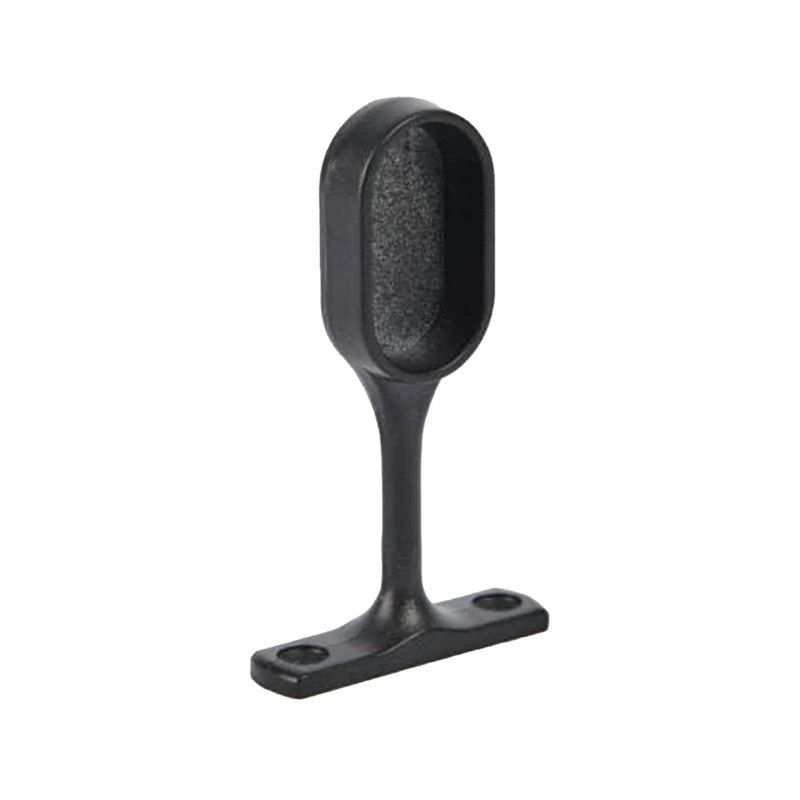
Selecting the right wardrobe brackets and rods is key to a sturdy, functional closet. The right choice supports your clothes well and fits your space and style.
Wardrobe brackets come in several types:
● Standard Wall-Mounted Brackets: The most common type, these attach directly to the wall and support the rod from underneath. They are simple and strong.
● Ceiling-Mounted Brackets: Ideal for closets with limited wall space, these brackets hang from the ceiling and hold the rod below.
● Adjustable Brackets: These allow you to change the height of the rod after installation, perfect for growing needs or flexible arrangements.
● Decorative Brackets: Available in various designs and finishes, these add a style element while supporting the rod.
● Corner Brackets: Designed for closets with corner rods, these fit snugly in corners to maximize space.
Choose brackets that match your closet's layout and style preferences.
Closet rods come in different materials and sizes. Consider these options:
● Metal Rods: Strong and durable, metal rods are great for heavy clothes. Stainless steel or chrome finishes resist rust and add a modern look.
● Wooden Rods: These offer a classic, warm appearance. They can be painted or stained to match your closet decor but may require more care to avoid warping.
● Plastic Rods: Lightweight and budget-friendly, but less durable. Suitable for light loads or temporary setups.
● Adjustable Rods: These rods can extend to fit different closet widths, offering flexibility if your closet size changes.
Make sure the rod diameter matches the bracket opening: measure the bracket's inner groove width with a caliper (common sizes: 1 inch or 1.25 inches for standard brackets). Check product labels—most brackets list 'compatible rod diameter' to avoid mismatch.
When picking brackets, prioritize factors in this order:
● Weight Capacity (match to your clothing load, e.g., 100-200 lbs for heavy coats): Ensure brackets can support the weight of your clothes. Heavy-duty brackets suit large wardrobes or heavy items like coats.
● Spacing : Brackets should be spaced roughly 32 to 36 inches apart for proper support. Longer rods may need a center support bracket to prevent sagging.
● Wall Type (drywall needs anchors, studs need long screws): For drywall, use wall anchors or find studs to secure brackets firmly. Brick or concrete walls require special anchors.
● Closet Size and Layout (ceiling brackets for shallow closets): Ceiling brackets work better in shallow closets, while wall-mounted brackets suit deeper spaces.
● Style and Finish (match hardware): Match the bracket finish to your closet hardware or room decor for a cohesive look.
● Ease of Installation (adjustable brackets for beginners): Some brackets require more tools or skills. Adjustable or snap-in brackets may simplify the process.
Choosing the right combination of brackets and rods ensures your wardrobe is both stable and stylish.
When selecting brackets, always measure your rod diameter and closet width first to ensure compatibility and avoid costly returns.
Start by deciding the height for your closet rod. Standard height is about 66 inches from the floor, but adjust based on your needs or if you plan double rods. For double rods, place the lower rod near 42 inches and the upper one around 84 inches.
Use a measuring tape to mark these heights on both sides of the closet. Next, use a level to draw a light horizontal line connecting the marks. This ensures your brackets will be perfectly straight.
Find the studs behind the wall using a stud finder. Mark their locations clearly. Brackets should ideally be mounted into studs for maximum strength. If no studs are available where you want to place brackets, plan to use wall anchors.
Mark bracket positions along the level line. Space them about 32 to 36 inches apart to support the rod and prevent sagging. For longer rods, consider adding a center bracket.
Put on safety glasses before drilling. Using a drill bit slightly smaller than your screws, drill pilot holes where you marked for the brackets. Pilot holes prevent wood from splitting and make screw insertion easier.
If you're installing into drywall without studs, drill holes for wall anchors and insert them before securing brackets.
Align each bracket over the pilot holes and screw them firmly into place. Double-check with a level to confirm brackets remain straight as you secure them. Tighten screws fully to ensure brackets won't loosen over time.
Once brackets are secured, slide the closet rod into place. If the rod is too long, cut it to size with the right tool: Metal rods (stainless steel/chrome): Pipe cutter (for clean, straight cuts); Wooden rods: Hacksaw or miter saw; Plastic rods: Utility knife (score first, then snap gently).
Check the rod's level again and adjust if needed. Test stability by pressing down on the rod with 10-15 pounds of force (equivalent to hanging 5-6 shirts). If the rod sags more than 0.5 inches or shifts, tighten bracket screws (use a screwdriver, not a drill—avoid over-tightening) or add a center support bracket. If it feels loose or sags, tighten bracket screws or add support brackets.
Make sure the rod sits securely in the bracket grooves or holders. For extra stability, some brackets have screw holes to secure the rod itself—use these if available.
When marking bracket positions, use painter's tape to keep marks visible and avoid smudging; this helps maintain accuracy throughout installation.
Choosing the right materials for your wardrobe brackets and rods can elevate both function and style. Common materials include:
● Metal: Steel or aluminum brackets offer excellent strength and durability. They handle heavy clothing loads well and suit modern or industrial closet designs.
● Wood: Wooden brackets and rods bring warmth and a classic look. They can be stained or painted to match your decor. However, wood may need occasional maintenance to avoid warping.
● Plastic or Acrylic: Lightweight and budget-friendly, these materials suit light loads or temporary setups. Acrylic brackets add a sleek, modern touch but aren't as sturdy as metal or wood.
● Reclaimed or Industrial Materials: For a unique, eco-friendly option, consider reclaimed wood or pipe fittings. They add character and support sustainable practices.
When selecting materials, consider the weight of your clothing, the closet style, and your maintenance preferences.
Customizing your wardrobe brackets goes beyond function. Decorative touches can personalize your closet:
● Paint or Finish: Paint brackets in bold colors or metallic finishes like brushed nickel or gold for a stylish look. Use non-toxic paints for safety.
● Decorative End Caps: Add finials or decorative end caps to rods for a polished appearance.
● Fabric Wraps: Wrap rods in fabric or rope to add texture and protect delicate garments.
● Matching Hardware: Choose screws and wall anchors in finishes that complement your brackets for a cohesive look.
● Accent Lighting: Install LED strip lights under shelves or along brackets to brighten your closet and highlight your wardrobe.
These small details can transform a basic installation into a design feature.
Beyond rods and brackets, you can boost your closet's usability by adding:
● Double Rods: Install a second rod below the first to double hanging space, ideal for shorter garments.
● Shelves: Add shelves above or below rods for shoes, boxes, or folded clothes.
● Hooks and Hangers: Attach hooks to brackets or walls for belts, scarves, or bags.
● Adjustable Brackets: Use adjustable brackets to change rod height as your needs evolve.
● Corner Brackets: Maximize space by installing corner brackets for rods that wrap closet corners.
These features tailor your closet to your lifestyle, making organization easier.
Choose bracket and rod materials that balance durability and style, then personalize with paint or accessories for a wardrobe setup that's both sturdy and uniquely yours.
Installing wardrobe brackets usually goes smoothly, but sometimes problems pop up. Here's how to handle common issues like sagging rods, loose brackets, and uneven walls.
Sagging rods happen when the rod bends under the weight of clothes. To fix this:
● Add extra support brackets based on rod length:
Rods 4-6 feet long: 1 center bracket (mounted at the midpoint)
Rods 6-9 feet long: 2 center brackets (spaced 3 feet apart, e.g., 8-foot rod: brackets at 2ft and 5ft from the end)
Rods over 9 feet long: 1 center bracket for every 3 feet (e.g., 10-foot rod: 3 center brackets).
● Use a stronger rod: Metal rods or hardwood rods resist bending better than plastic or lightweight wood.
● Check bracket spacing: Keep brackets about 32 to 36 inches apart. Wider spacing increases sag risk.
● Avoid overloading: Don’t hang too many heavy items on one rod. Spread clothes evenly.
If sagging persists, consider upgrading to a thicker rod or adding a support cleat along the wall.
Loose brackets reduce stability and can cause the rod to fall. To secure brackets firmly:
● Mount into studs: Use a stud finder to locate wall studs. Screwing brackets into studs provides the strongest hold.
● Use wall anchors: When studs aren’t available, use heavy-duty wall anchors suitable for your wall type. Avoid using weak anchors.
● Drill pilot holes: Pre-drilling holes helps screws go in straight and prevents wood or drywall from cracking.
● Tighten screws fully: Make sure screws are snug, but don’t overtighten to avoid stripping.
● Check bracket alignment: Misaligned brackets can loosen over time. Use a level to keep brackets straight during installation.
If brackets still feel loose, remove and reinstall using larger anchors or longer screws.
Closet walls aren't always perfectly flat or level. Uneven surfaces can cause brackets to sit crooked or not flush. To fix this:
● Fix uneven walls by gap size:
1. Small gaps (≤1/8 inch): Use plastic shims (cut to size) behind brackets to level
2. Medium gaps (1/8-1/4 inch): Use wooden shims (sand to thickness) and seal with caulk after installation
3. Large gaps (>1/4 inch): Patch the wall first with drywall compound (let dry 24 hours, then sand smooth) before mounting brackets.
● Check with a level: Always check bracket placement with a level before drilling.
● Mark carefully: Take extra time marking bracket positions on uneven walls to avoid misalignment.
● Consider adjustable brackets: Some brackets allow height or angle adjustments to compensate for wall irregularities.
● Sand or patch walls: For minor bumps, sanding or patching can create a smoother mounting surface.
Taking these steps ensures brackets fit tightly and rods hang straight.
When rods sag, adding a center support bracket is the simplest and most effective fix to maintain rod stability and prevent damage.
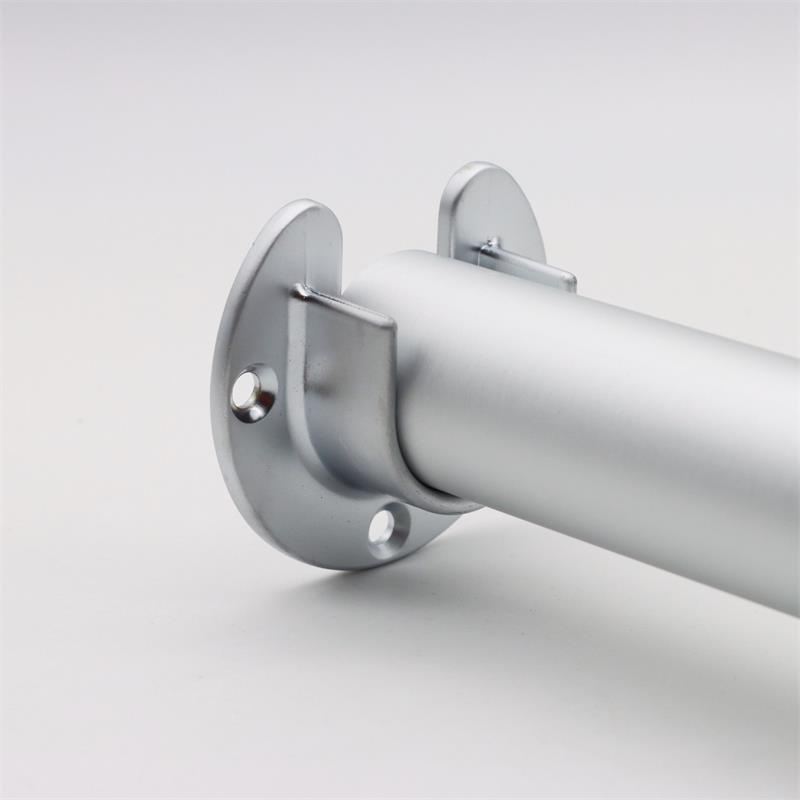
When installing wardrobe brackets, you can save money and help the environment by choosing sustainable materials and smart DIY methods. Here’s how to keep your project eco-friendly and budget-friendly.
● Reclaimed Wood: Use wood from old furniture or pallets to make brackets or support cleats. It cuts waste and adds a unique rustic look.
● Bamboo: Bamboo brackets or rods are strong and grow fast, making them a renewable choice.
● Recycled Metal or Plastic: Look for brackets made from recycled materials. They reduce landfill waste and often cost less.
● Non-Toxic Finishes: Use water-based, low-VOC paints or stains. They’re safer for you and better for indoor air quality.
● Salvaged Hardware: Reuse screws, nails, or wall anchors from old projects to reduce waste and cost.
● Local Sourcing: Buy materials from local suppliers or salvage yards to cut down on transportation emissions.
● DIY Brackets: Create your own brackets using scrap wood or metal. This can be cheaper than buying pre-made ones.
● Use Dowels or Pipes: Wooden dowels or metal pipes make affordable closet rods. Cut to size easily at home improvement stores.
● Borrow or Rent Tools: Instead of buying tools like drills or levels, borrow from friends or rent from hardware stores.
● Multipurpose Tools: Choose tools that serve multiple functions to avoid extra purchases.
● Discount Stores: Check dollar stores or discount hardware outlets for screws, anchors, and paint.
● Measure Twice, Cut Once: Careful planning reduces mistakes and wasted materials.
● Simple Designs: Stick to straightforward bracket styles that are easy to build or install.
● Partner Up: Have a friend help hold boards or tools. It speeds up work and reduces errors.
● Use Painter’s Tape: Marking with tape keeps walls clean and helps maintain accurate measurements.
● Reuse Packaging: Save boxes or containers to organize screws and small parts during installation.
By combining eco-friendly materials and smart budgeting, you get a sturdy, stylish wardrobe setup that’s good for your wallet and the planet.
Opt for reclaimed wood or recycled metal for your brackets to reduce environmental impact while cutting costs on materials.
A well-installed wardrobe offers functionality and style, enhancing your space and organizing clothes efficiently. Regular maintenance ensures longevity, preventing issues like sagging rods. DIY enthusiasts can enjoy the satisfaction of personalizing their closets. For quality and durable wardrobe solutions, consider products from Rothley Co., Ltd., known for their innovative designs and reliable performance, providing excellent value for every installation project.
A: Wardrobe brackets are used to securely hold closet rods in place, providing support for hanging clothes and organizing closet space efficiently.
A: Match brackets to your scenario:
1. Small shallow closets: Ceiling-mounted brackets (save wall space)
2. Heavy coats/sweaters: Heavy-duty steel brackets (100-200 lbs capacity)
3. Renters (no studs): Adjustable brackets with heavy-duty drywall anchors (no damage)
4. Modern decor: Decorative matte black brackets (match metal rods).
A: Finding studs is crucial because securing wardrobe brackets into studs ensures maximum strength and stability, preventing sagging and potential damage.
A: To fix a sagging wardrobe rod, add a center support bracket, use a stronger rod material, and ensure brackets are spaced correctly to distribute weight evenly.
A: Yes, using reclaimed wood, bamboo, or recycled materials for wardrobe brackets and rods are eco-friendly choices that reduce environmental impact.


