
Views: 0 Author: Site Editor Publish Time: 2026-05-20 Origin: Site


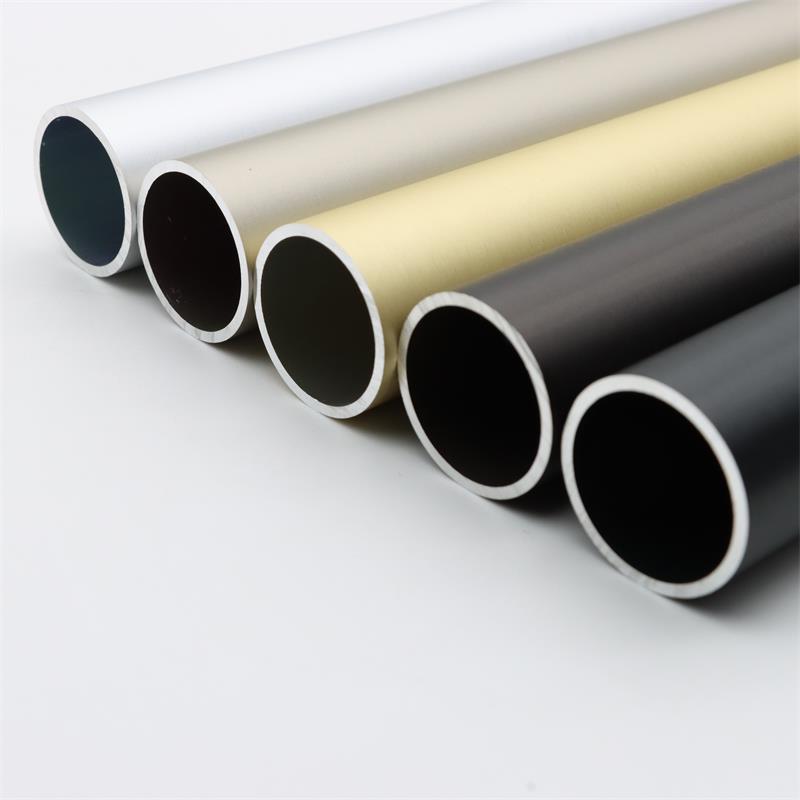
Generic closet configurations often lead to a deeply frustrating daily routine. You might notice dragged hems, crushed collars, and completely wasted vertical space. Determining the optimal height for your closet rod requires moving beyond basic "one-size-fits-all" standards. We must engineer a precise layout based on garment dimensions, structural depth, and daily user ergonomics. A poorly placed rod ruins expensive fabrics over time. It also makes your morning outfit selection unnecessarily clumsy. In this guide, you will discover an evidence-based breakdown of industry-standard measurements. We also explore bespoke tailoring strategies designed specifically for high-value garments. Finally, you will learn essential hardware evaluation criteria to prevent costly structural failures. Implementing these steps ensures your closet remains both beautiful and highly functional.
Standard Single Rail: Typically installed at 66 inches from the floor.
Standard Double Rail: Positioned at 80 inches (top) and 40 inches (bottom).
Crucial Clearances: Require at least 2 inches of space above the rod for hanger maneuvering and 12–14 inches of depth from the back wall.
Hardware Limits: Any round wardrobe tube spanning more than 48 inches demands center support brackets anchored to wall studs to prevent sagging.
Industry standards provide a helpful starting point for closet design. These generic metrics usually assume an average user height of approximately 5'6". They also assume your wardrobe consists of a standard mix of casual and everyday wear. When builders install a single Round Wardrobe Tube, they typically position it exactly 66 inches from the finished floor. This baseline height comfortably accommodates most long coats and standard dresses.
Many modern closets utilize a double rod layout to maximize storage density. In this configuration, you position the top rod at 80 inches. You then place the bottom rod at 40 inches. This specific setup effectively doubles your vertical capacity. It provides ample room for hanging shirts, blouses, and folded trousers.
However, you must recognize the severe limitations of these standard measurements. Pre-fabricated dimensions prioritize mass manufacturing scale over individual user utility. Generic setups often result in pooled fabric when hanging high-end gowns. They also leave awkward dead space beneath short jackets. Relying solely on builder-grade standards often sacrifices valuable square footage.
Universal design principles offer another crucial perspective on baseline measurements. When designing for accessible reach, you must follow the Americans with Disabilities Act (ADA) guidelines. Proper accessible installations require strict adherence to these specific parameters:
Install accessible rods between 48 and 52 inches from the floor.
Ensure the hardware never exceeds a maximum height of 54 inches.
Maintain an unobstructed forward reach to the hanging garments.
Leave enough clearance below the rod for wheelchair maneuverability.
You achieve true organizational mastery by abandoning generic standards. Instead, use a structured evaluation framework to match rod heights to your specific wardrobe investments. Precision planning prevents fabric distortion, stops ugly creasing, and keeps items visible. A tailored Clothes Hanging Rail system respects the geometry of your clothing.
First, evaluate your short-hanging inventory. This category includes shirts, folded pants, and everyday jackets. Standard shirts and blouses generally require 36 to 40 inches of vertical drop space. Professional suit jackets demand slightly more room. You should allocate 48 to 50 inches for tailored jackets. This dedicated space maintains crisp shoulder structures. It also completely prevents bottom wrinkling.
Next, calculate your long-hanging dimensions. This zone handles dresses, winter coats, and formalwear. If you hang trousers by the cuff, they need 60 to 65 inches of clearance. Full-length overcoats also fall into this 60-to-65-inch requirement. Evening gowns and tailored tuxedos require the most vertical territory. You must plan for 70 to 75 inches of drop space. This premium clearance ensures delicate hems remain pristine and entirely off the floor.
We can summarize these bespoke garment requirements in the quick-reference chart below. Use this tool to plan your custom closet zones.
| Garment Category | Clothing Type | Recommended Vertical Drop (Inches) |
|---|---|---|
| Short-Hanging | Standard Shirts & Blouses | 36 – 40 |
| Medium-Hanging | Professional Suit Jackets | 48 – 50 |
| Long-Hanging | Cuffed Trousers & Winter Coats | 60 – 65 |
| Extra Long-Hanging | Evening Gowns & Tuxedos | 70 – 75 |
Perfect vertical height becomes entirely irrelevant if your closet depth causes doors to crush your garments. Understanding spatial clearances ensures your clothes remain protected from mechanical friction. We must evaluate depth, spacing, and door interference before finalizing any layout.
Depth and setback rules dictate how garments hang freely. You must position the center of the hanging rod exactly 12 to 14 inches away from the back wall. This setback gives standard adult hangers enough room to sit straight. Standard hinged-door closets require a minimum overall internal depth of 24 inches. However, specialized collections demand more room. Men's formalwear closets require 28 to 30 inches of total depth. This expanded space accommodates broader suit shoulders without irritating sleeve-catching against the doorframes.
Top clearance represents another frequently ignored dimension. You must always leave a minimum of 2 inches between the top of the rod and the bottom of the overhead shelf. This vital gap provides enough rotational space to maneuver hangers on and off the rail. Skipping this clearance results in a frustrating hanger lock-up every time you grab a shirt.
Finally, you must factor in door type interference. Different door systems consume internal square footage differently. Pay attention to the following realities:
Hinged Doors: Swing outward and do not consume internal depth, allowing you to maximize the 24-inch minimum space.
Sliding Doors: Consume up to 2 inches of internal depth just for track hardware.
Bi-Fold Doors: Require track space and often block the extreme left and right edges of your hanging zones.
Always factor sliding door tracks into your setback calculations. If you ignore the track depth, the moving panels will constantly scrape across your delicate clothes.
A beautifully designed layout collapses quickly if the supporting hardware fails. The primary failure point of any closet system is deflection. Deflection means the hardware sags visibly under concentrated weight. Heavy winter coats and clustered denim expose weak materials rapidly. You must evaluate structural integrity before installing your Round Wardrobe Tube.
Material selection heavily influences long-term performance. Standard wooden dowels warp permanently over time. Humidity and heavy fabrics force wood to bow downward. In contrast, extruded metal tubes offer superior load-bearing capacity. Steel or heavy-gauge aluminum tubes also provide a completely frictionless glide for your hangers. Metal hardware protects your wardrobe investment far better than traditional wood.
You must strictly observe the 48-inch rule during installation. Any continuous rod span exceeding 48 to 60 inches requires immediate structural intervention. Do not stretch a single unsupported pole across a wide walk-in space. The middle section will inevitably bow.
Proper support logic dictates how you reinforce these spans. You must securely fasten center supports to structural wall studs. Alternatively, you can anchor them to heavy-duty overhead shelving.
Best Practice: Always use a high-quality magnetic or electronic stud finder before drilling. Map out your anchor points to align symmetrically with your bracket holes.
Common Mistake: Never rely purely on standard drywall anchors for a heavily loaded hanging system. Drywall simply crumbles under the shear downward force of packed garments.
Upgrading your closet often feels like an accessible weekend project. However, common DIY rollout lessons reveal hidden complexities. The most common point of failure in self-installation involves measuring from inconsistent floor grades. Many older homes have sloping floors. If you measure strictly from an uneven baseboards, your rods will look tilted. Another frequent failure involves missing the load-bearing wall studs completely.
To avoid geometry errors, you must follow a strict measurement protocol. Always measure from the finished floor to the bottom of the rod. Do not measure to the center or the top edge. Measuring to the bottom ensures you calculate the precise, unobstructed garment drop space.
While basic single-rod installations suit DIY enthusiasts, certain scenarios demand expert help. You should consider hiring a professional installer under the following conditions:
Complex Configurations: Walk-in closets requiring custom corner turning, blind corners, and mixed single/double zones require advanced carpentry skills.
Heavy Custom Cabinetry: Floor-mounted drawer banks need perfect leveling before you attach adjoining hanging rails.
Liability and Warranty Needs: High-value wardrobe investments require guaranteed weight limits. Professional installers provide warranties against hardware collapse.
Professionals guarantee accurate door swing clearances. They precisely locate structural studs. Their expertise protects your expensive clothing from the catastrophic damage of a collapsed rod.
Reject Generic Standards: The standard 66-inch height serves merely as a starting point. True optimization requires completely reverse-engineering the space based on your specific garment lengths.
Prioritize Depth: Always verify your closet depth before finalizing heights. Ensure you leave 12 to 14 inches of setback from the back wall and respect sliding door hardware constraints.
Select Robust Materials: Ditch wooden dowels. Select a commercial-grade extruded metal tube capable of safely supporting your intended load without sagging.
Next-Step Action: Audit your current wardrobe today. Count your shirts versus your long dresses to determine your exact ratio of short-hanging to long-hanging items before purchasing hardware.
A: Install a mid-point center support bracket immediately. Drill this bracket directly into a wall stud or secure it to the overhead structural shelf. Do not use drywall anchors. If the tube itself has permanently bowed from previous weight, you must replace it entirely with a thicker-gauge metal Clothes Hanging Rail.
A: The center of the rod should sit exactly 12 to 14 inches from the back wall. This clearance accommodates standard adult hangers perfectly. It ensures broad-shouldered garments hang vertically without awkwardly brushing against the back paint.
A: Builders generally position top storage shelves at 84 inches (exactly 7 feet) from the floor. This high placement keeps out-of-season items securely tucked away while leaving enough visible headroom beneath standard 8-foot or 9-foot ceilings.
A: Yes. You can suspend temporary tension rods or add-on double-hang extenders directly from your primary rail. These simple commercial attachments quickly double your short-hanging capacity for shirts and pants without requiring any structural drilling.


