
Views: 0 Author: Site Editor Publish Time: 2026-02-06 Origin: Site


Are your closet rods sagging under the weight of your clothes? Wardrobe brackets are essential for maintaining a sturdy and organized closet. In this article, we’ll explore how to choose and install the right wardrobe bracket to maximize support and functionality. You’ll learn tips for effective installation and maintenance.
Wardrobe brackets are essential hardware that supports closet rods to prevent sagging or collapse. They keep clothes hanging securely—avoiding wrinkles from drooping rods and damage to both garments and closet structures.
These brackets come in various materials, including:
● Stainless Steel: Durable and resistant to rust, ideal for humid environments.
● Carbon Steel: A more budget-friendly option, but may require maintenance to prevent rust.
● Zinc Alloy: Offers good strength and corrosion resistance, often used in decorative applications.
There are several types of wardrobe brackets, each designed for specific uses.
Centre brackets provide support in the middle of a rod. They are particularly useful for longer rods that need extra stability.
Use Cases:
● Ideal for wide closets (rod length over 1.2 meters)
● Adds midpoint support to prevent sagging, especially when hanging heavy items like winter coats.
Examples:
● Rothley’s stainless steel options are known for their strength and sleek design.
● Budget-friendly carbon steel options are available from various competitors, offering a cost-effective solution.
End brackets secure the ends of the rods, anchoring them to the wall. They are crucial for maintaining the overall structure of your closet.
Features:
● Easy to install.
● Provides a clean finish to your closet design.
Comparison:
● U-shaped zinc alloy sockets are popular for their strength and aesthetic appeal.
● Many brands offer variations, so it's worth comparing prices and features.
Specialized sockets cater to unique needs, such as heavy-duty applications or custom installations.
When to Use:
● For industrial-grade setups requiring extra support.
● In situations where standard brackets may not suffice.
Examples:
● Heavy-duty options designed for commercial use.
● DIY alternatives can also be created using various materials for a personalized touch.
Wardrobe brackets are more than just hardware; they are vital components that enhance the functionality of your closet. Choosing the right type can make a significant difference in organization and durability.
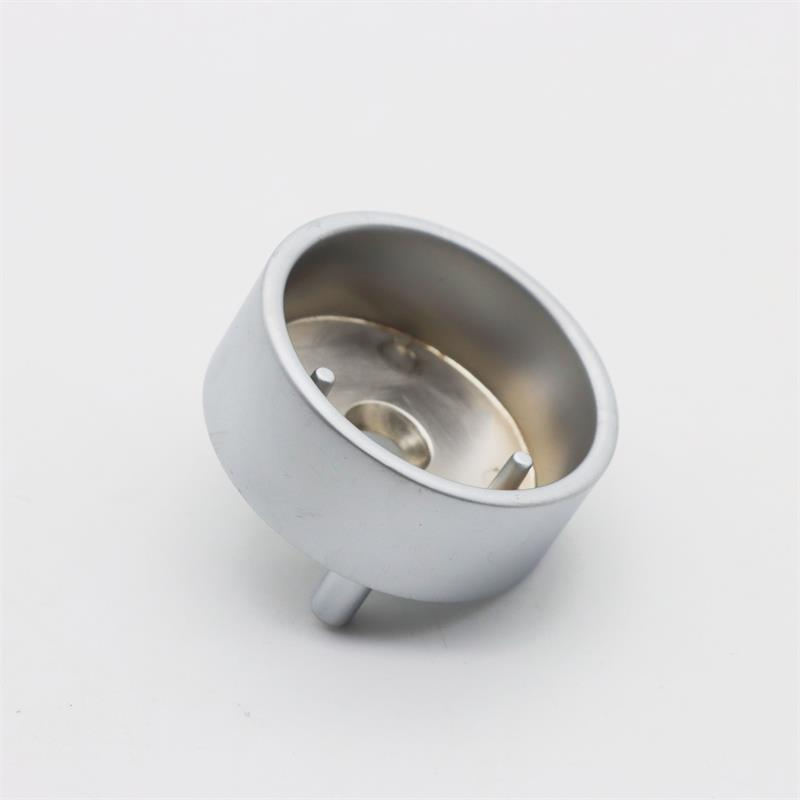
When selecting a wardrobe bracket, several factors play a crucial role in ensuring you get the right fit.
Matching brackets to rod sizes is vital. Common diameters include:
● 19mm: Suitable for lighter loads and smaller spaces—ideal for lightweight items like folded sweaters, thin dresses, or accessories (e.g., scarves, belts) in narrow reach-in closets or children's wardrobes.
● 25mm: Ideal for heavier garments and larger spaces—suitable for heavy items like winter parkas, thick wool coats, or bulkier storage bins in wide walk-in wardrobes or master bedroom closets.
Using the correct diameter ensures stability and prevents sagging.
Understanding the weight limits of brackets is essential. Each bracket has a specific load capacity.
● Light-duty brackets: Support up to 20 kg—ideal for lightweight items like shirts, blouses, or scarves.
● Heavy-duty brackets: Handle 50 kg or more—suitable for heavy garments like winter coats, suits, or stacked storage boxes.”
Always check the specifications to avoid overloading.
Proper spacing between brackets enhances support. Here are some recommendations:
● For rods up to 1.2 meters: Use 3 brackets (1 at each end + 1 midpoint, spaced 60 cm apart).
● For rods over 1.2 meters: Add 1 centre bracket for every additional 0.6 meters (e.g., 1.8-meter rod: 4 brackets—2 ends + 2 midpoints).
This spacing helps distribute weight evenly.
Choosing the right material impacts durability. Here’s a quick comparison:
Material | Advantages | Disadvantages |
Stainless Steel | Rust-resistant, strong, durable | Typically more expensive |
Carbon Steel | Budget-friendly, decent strength | Prone to rust without maintenance |
| Zinc Alloy | Good strength, corrosion-resistant, decorative | More expensive than carbon steel |
Stainless steel is often the best choice for humid areas. It lasts longer and requires less upkeep.
When it comes to pricing, wardrobe brackets vary widely.
● Budget-friendly options: Usually range from $5 to $15.
● Premium choices: Can cost $20 or more, depending on material and design.
If you’re a contractor or planning a large project, consider wholesale platforms. They often offer bulk discounts, making it easier to save money while ensuring quality.
Selecting the right wardrobe bracket involves understanding your needs and budget. By considering these factors, you can make an informed decision that enhances your closet's functionality.
Getting accurate measurements is crucial for a successful installation. Here's a simple step-by-step guide:
1. Measure the rod diameter: Use a caliper for precision; if no caliper, wrap a measuring tape around the rod to get the circumference, then divide by 3.14 (e.g., 62.8 mm circumference = 20 mm diameter, close to standard 19/25 mm).Common sizes include:
a. 19mm
b. 25mm
2. Determine Weight Capacity: Check the weight limit of the wardrobe brackets you plan to use. This ensures they can support your clothing and accessories.
3. Account for Space: Measure the length of the area where the rod will be installed. This helps in determining how many brackets you'll need.
Importance of Accuracy: Accurate measurements prevent issues during installation. If brackets are too far apart, the rod may sag. If they're too close, it can lead to unnecessary stress on the rod.
Once you have your measurements, it's time to prepare the installation area. Here are some tips:
● Select the Right Location: Choose a spot that allows for easy access and fits your closet layout. Consider how much space you need for hanging clothes.
● Gather Tools: Make sure you have the right tools ready:
○ Level: Ensures your brackets are straight.
○ Drill: For making holes in the wall.
○ Screws: Ensure they are compatible with your brackets.
● Marking Studs: If you're installing on drywall, locate the studs. Use a stud finder for accuracy. Mark these spots, as they provide the best support for your brackets.
● Using Wall Anchors: If no studs are available: For drywall, use toggle bolts or molly bolts (hold 15-20 kg each); for brick/concrete walls, use masonry anchors (hold 25-30 kg each)—avoid plastic anchors for heavy loads.They add extra support and help secure the brackets properly.
By measuring accurately and preparing your installation area, you'll set yourself up for a smooth and successful wardrobe bracket installation. This will ensure your closet is both functional and stylish.
Properly marking bracket positions is essential for a successful installation. Follow these steps:
1. Determine Placement: Decide where you want to install the brackets based on your measurements.
2. Use a Level: Place a level against the wall to ensure your markings are straight. This prevents uneven rods, which can lead to sagging.
a. Tip: If you're installing multiple brackets, mark each position using the level to maintain alignment.
Drilling pilot holes helps avoid wall damage and makes installation smoother. Here are some tips:
● Choose the Right Drill Bit: The size of the drill bit should match the screws you'll be using. A general guideline is:
Match drill bits to screw sizes: For 3mm diameter screws (light-duty), use a 2.5mm bit (pilot hole smaller than screw to avoid slipping); for 5mm diameter screws (heavy-duty), use a 4.5mm bit.
● Consider Pre-Drilled Holes: Some brands, like Rothley, offer brackets with pre-drilled holes. This feature simplifies installation and ensures precise placement.
● Included Screws: Many competitor kits come with screws that are designed for optimal fit. Always check what's included before starting.
Once your pilot holes are ready, it's time to secure the brackets. Here's how:
1. Align the Bracket: Position the bracket over the pilot hole.
2. Insert Screws: Use a screwdriver or drill to fasten screws securely into the wall.
a. Types of Screws:Wood Screws: Best for wooden walls.
i. Masonry Screws: Ideal for brick or concrete.
3. Use Anchors for Drywall: If installing on drywall, consider using wall anchors for added support. They help distribute weight evenly.
After securing the brackets, it's crucial to test the installation:
● Fit the Rod: Place the rod into the brackets to check the fit. It should slide in smoothly without excessive force.
● Make Adjustments: If the rod doesn't fit correctly, you may need to:
○ Adjust the bracket position slightly.
○ Check if the brackets are level.
● Adjustable Brackets: Some competitor brackets come with adjustable features. This allows for minor tweaks even after installation, ensuring a perfect fit.
Following this guide will help you install wardrobe brackets effectively. Each step is designed to ensure your closet is sturdy and functional, making it easier to organize your space.
Selecting the right materials for your wardrobe brackets can significantly impact their longevity. Here's what you should know:
● Stainless Steel vs. Carbon Steel:
○ Stainless Steel: Highly resistant to rust and corrosion, making it ideal for humid environments like bathrooms or laundry rooms.
○ Carbon Steel: More affordable but prone to rust. If you choose this option, regular maintenance is key.
● Maintenance Recommendations:
○ For stainless steel, simply wipe it down with a damp cloth to keep it clean.
○ For carbon steel,apply a thin coat of rust-inhibiting paint (e.g., spray-on enamel) every 2-3 years. Before painting, wipe off rust with sandpaper (400-grit) and clean with a dry cloth to ensure adhesion.
Material | Advantages | Maintenance Tips |
Stainless Steel | Rust-resistant, durable | Wipe with a damp cloth |
Carbon Steel | Cost-effective | Regular painting to prevent rust |
Keeping your wardrobe hardware discreet can enhance the overall look of your closet. Here are some tips:
● Use Closed Sockets or Flange Designs: These designs not only look cleaner but also help conceal the hardware. This can make your installation appear more professional.
● Protect Clothing from Snags: To avoid snags: Use 400-grit sandpaper to smooth any rough edges or protruding screw heads on brackets; for extra protection, wrap bracket edges with clear tape (remove after 24 hours to check for residue). Here are a few additional tips:
○ Use fabric covers for brackets if necessary.
○ Regularly check for any protruding screws or rough edges.
By choosing the right materials and effectively concealing hardware, you can ensure your wardrobe brackets are both durable and visually appealing. These simple steps will help maintain your closet's functionality and style over time.
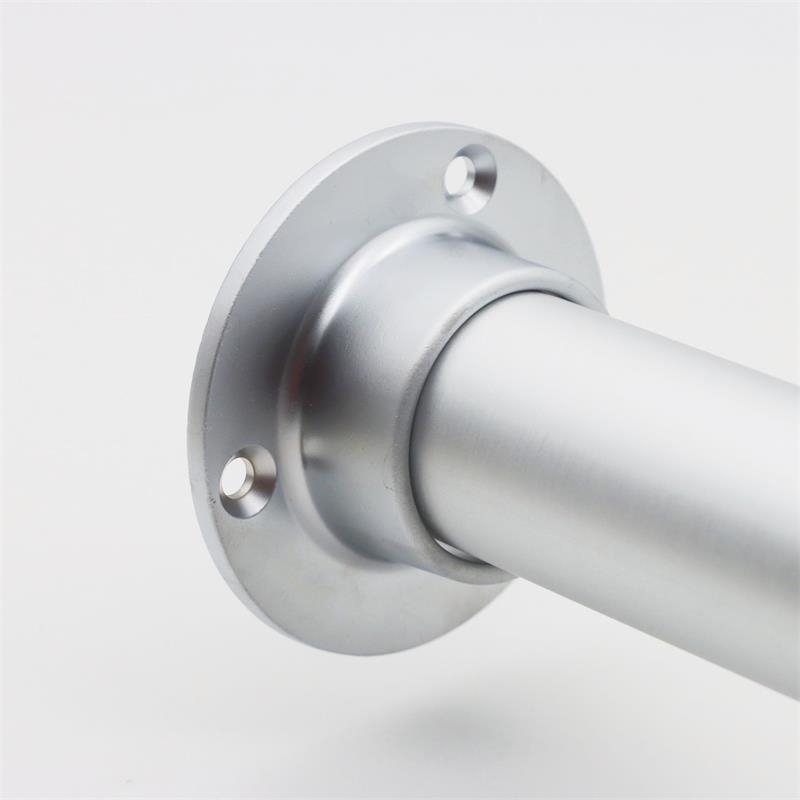
Finding affordable solutions doesn’t mean sacrificing style. Here are some tips for achieving a custom look:
● Pair Affordable Brackets with Stylish Rods: You can easily mix and match budget-friendly brackets with more elegant rods. This combination creates a high-end appearance without breaking the bank.
● Comparison of DIY Setups:
○ Competitor Products: Some brands offer pricey kits that include both brackets and rods. However, you can save money by sourcing each component separately.
○ Example: A basic set of brackets paired with a decorative curtain rod can look just as good as a complete kit.
● Multi-Use Brackets: Consider brackets designed for various applications. They can be used for different projects, maximizing your return on investment. Here are a few suggestions:
○ Adjustable brackets for different widths.
○ Brackets that support shelves for added functionality.
Feature | Cost-Effective Solution | Benefits |
Affordable Brackets | Pair with stylish rods | Custom look without high costs |
DIY Setups | Compare with competitor products | Save money by mixing and matching |
Multi-Use Brackets | Use for various applications | Maximize utility and investment |
Wardrobe brackets aren’t just for closets; they can be incredibly versatile. Here are some creative ideas:
● Kitchens: Install wall-mounted carbon steel brackets (50 kg capacity) on empty kitchen walls, then place 2cm-thick wooden shelves on top—ideal for holding spice jars, cookbooks, or small kitchen appliances (e.g., toasters).
● Showers: Install brackets to hold shower curtains or even hanging plants. This can transform your bathroom into a more inviting space.
● Home Offices: Create a unique workspace by using brackets to support shelves for books or office supplies.
● Outdoor Spaces: Brackets can also be used to hang outdoor curtains or string lights, enhancing your patio or garden area.
With these DIY hacks, you can achieve stylish and functional solutions for your home without spending a fortune. The versatility of wardrobe brackets opens up endless possibilities for creative projects.
FAQ
Q: How to check if my wardrobe bracket's weight capacity is sufficient?
A: Calculate the total weight of your clothes (e.g., 5 winter coats ≈ 15 kg) and ensure the bracket’s capacity is 1.5x the total weight (e.g., 15 kg ×1.5=22.5 kg—choose a 25 kg+ bracket) for safety.
Q: What should I do if installed brackets become loose?
A: Remove the bracket, replace the old screw with a longer one (add 1cm length), and use a wall anchor if it’s not mounted on a stud—tighten until the bracket is flush with the wall.
Conclusion
Choosing the right wardrobe bracket is essential for support and durability.
Explore various options to create a personalized closet organization that suits your style.
We encourage you to share your experiences with wardrobe brackets in the comments below!


