
Views: 0 Author: Site Editor Publish Time: 2025-07-28 Origin: Site


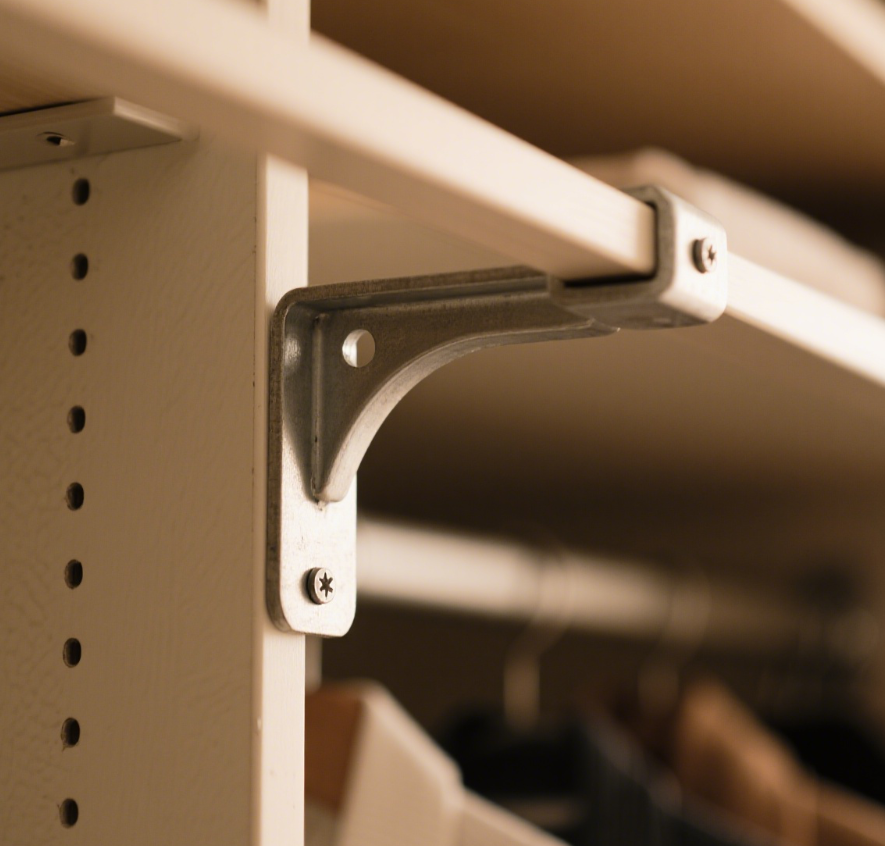
When it comes to organizing a wardrobe, few things are as essential as the wardrobe rod. A well-installed and durable wardrobe rod helps keep clothes tidy, accessible, and well-organized. However, over time, you might notice that the rod begins to sag under the weight of clothes, leaving your closet looking unkempt and disorganized. Sagging wardrobe rods are a common issue, but with the right materials, proper installation techniques, and correct usage, you can prevent this problem and keep your wardrobe system functional for years to come.
In this article, we will explore the reasons behind wardrobe rod sagging, provide expert recommendations on how to prevent it, and offer helpful tips on installation and maintenance. Additionally, we'll focus on the critical role that wardrobe brackets play in supporting your wardrobe rods and preventing sagging. Let's dive into understanding how to keep your wardrobe system in top shape.
Before we delve into how to prevent sagging, it’s important to gather the right tools and materials. Ensuring you have everything prepared before installation will ensure the process goes smoothly.
Power Drill: A drill will be necessary for creating holes in the wall or surface where you’ll install the wardrobe brackets.
Screwdriver: A screwdriver is required for tightening the screws that hold the wardrobe bracket and rod in place.
Measuring Tape: To measure the precise height and width for installing the wardrobe brackets and rod.
Level: Ensures that the wardrobe brackets and rod are installed horizontally, preventing uneven weight distribution.
Pencil: Used for marking where the wardrobe brackets will be placed on the wall.
Wardrobe Rods: The wardrobe rods you select should be strong enough to hold your clothes. If you're using a heavy-duty wardrobe system, make sure the wardrobe rods can support the weight.
Wardrobe Brackets: Wardrobe brackets are the primary components that will support the rods. The wardrobe bracket must fit securely to the wall and support the weight of the wardrobe rod and its contents.
Wall Anchors: If you're drilling into drywall or any other material that may not support heavy weight, you will need wall anchors to secure the wardrobe brackets.
Screws: Necessary to fix the wardrobe brackets to the wall and the rods to the brackets.
Wood Saw (Optional): If you need to adjust the length of your wardrobe rod, a wood saw will come in handy.
Understanding why wardrobe rods sag is the first step toward preventing it. There are several factors that contribute to this issue, and addressing them can help maintain a well-functioning wardrobe system.
The material of the wardrobe rod plays a significant role in its performance. Wooden rods, while aesthetic, are prone to bending and sagging under heavy weight. Metal rods, such as steel or aluminum, offer better resistance to sagging. Choosing the right material is essential to ensuring the rod can handle the weight of your clothing.
Incorrect installation of the wardrobe brackets is one of the leading causes of sagging. If the wardrobe brackets are spaced too far apart or not aligned correctly, the rod will not have the necessary support to hold heavy clothing. Additionally, improperly installed brackets or ones that are not secured tightly enough can lead to instability and sagging over time.
If you overload the wardrobe rod with too many heavy items, the rod will eventually sag. It’s important to distribute the weight evenly across the rod and avoid hanging clothes that exceed the rod's weight capacity. This also includes hanging overly heavy clothing on a single section of the rod, which can cause localized sagging.
Now that we know why wardrobe rods sag, let's look at how to prevent this from happening. Here are expert recommendations that you can apply to your own wardrobe system.
One of the key factors in preventing sagging is choosing a wardrobe rod made from durable materials. The material of the rod should match the weight of the clothing it will hold.
Steel or Aluminum Rods: These materials are strong and resistant to bending, making them ideal for heavy-duty wardrobes.
Wooden Rods: While aesthetically pleasing, wooden rods are more prone to bending and should be used for lighter loads or decorative purposes.
When selecting the material for your wardrobe rod, consider both the weight of the clothes you'll be hanging and the overall look of your wardrobe. A sturdy metal rod, for example, may be more suitable for heavy coats and suits, while a wooden rod may be sufficient for lighter shirts and blouses.
The installation of wardrobe brackets is critical to preventing sagging. If the brackets are installed improperly, even the strongest rod won’t be able to hold up under the weight of your clothing.
Measure Carefully: Ensure that the distance between the wardrobe brackets is appropriate for the length of the wardrobe rod. Typically, the brackets should be spaced 36 to 48 inches apart for standard rods. If you’re using a longer rod or hanging heavier items, reduce the spacing to 24 inches.
Use Wall Studs: Whenever possible, install the wardrobe brackets directly into the wall studs for added support. If you can’t find studs, use heavy-duty wall anchors to secure the brackets firmly to the wall.
Check Alignment: Ensure that the wardrobe brackets are installed at the same height and are level with each other. Uneven brackets can cause the wardrobe rod to be installed at an angle, leading to sagging and instability.
For wardrobe rods longer than 5 feet, it’s a good idea to install additional mid-support brackets to prevent sagging. These brackets provide additional support in the center of the rod, helping distribute the weight evenly across the length of the rod.
Mid-support brackets can be installed on rods that are 6 feet or longer to help bear the load in the center. This will reduce the chance of sagging in the middle, especially when the rod is loaded with heavy clothing.
One of the most common causes of wardrobe rod sagging is uneven weight distribution. If you hang all of your heaviest clothes on one side of the rod, that side is more likely to sag. To prevent this, evenly distribute the weight across the entire length of the rod.
Use hangers that help keep your clothes evenly distributed.
Avoid overloading one section of the rod with heavy garments.
Add multiple rods if necessary for different types of clothing, such as separating heavier coats from lighter shirts.
Maintaining your wardrobe system is key to preventing sagging. Over time, wardrobe brackets can loosen, and wardrobe rods can weaken under the weight of heavy clothes.
Inspect the brackets and rods regularly to ensure they are still securely fastened and haven’t loosened or bent.
Tighten screws and bolts that may have come loose during regular use.
Replace damaged or worn-out components, including screws, brackets, and rods, to keep the system functional and safe.
If you notice that the wardrobe rod begins to bend or sag when you hang your clothes, it may be too weak for the load. Check the material and diameter of the rod to ensure it’s appropriate for the weight of your garments.
For most wardrobe rods, the brackets should be installed between 36 and 48 inches apart. For longer rods or heavier loads, reduce the distance between the brackets to 24 inches for added support.
While mid-support brackets are ideal for longer rods, you can reduce the chance of sagging by carefully distributing the weight and using high-quality wardrobe brackets. However, for rods longer than 6 feet, mid-support brackets are highly recommended.
Adjustable wardrobe brackets are a great option because they allow you to modify the height of the rod. This can help accommodate different types of clothing and prevent sagging caused by improper installation.
If your wardrobe rod is sagging, you may be able to fix it by tightening the wardrobe brackets or adding additional support brackets. If the rod is permanently bent, it may need to be replaced.
Preventing wardrobe rod sagging is crucial for maintaining an organized and functional closet. By choosing the right materials, installing wardrobe brackets properly, distributing weight evenly, and maintaining your wardrobe system, you can significantly reduce the risk of sagging. Additionally, regularly inspecting and adjusting your system ensures that it remains durable and functional over time. By following these expert recommendations, your wardrobe rods will continue to serve you well, keeping your clothes neatly organized and easily accessible.


