
Views: 0 Author: Site Editor Publish Time: 2026-06-20 Origin: Site


Standard closet hardware often fails under the long-term stress of dense wardrobes. Overloaded systems routinely cause severe drywall damage and sagging hanging rods. This forces property owners to face annoying contractor callbacks or full system replacements. A durable installation requires evaluating beyond a manufacturer's isolated weight rating. You must account for complex material metallurgy, dynamic loads, and hidden environmental stressors. Without analyzing these variables, basic hardware eventually buckles under pressure. We will provide an evidence-based framework for evaluating any storage hardware setup. You will learn how to spec and source components carefully. This ensures your final installation guarantees absolute long-term structural integrity.
Material dictates lifespan: Cold-rolled steel and extruded aluminum offer superior shear strength compared to plastic or pot-metal zinc alloys.
Static vs. Dynamic stress: Wardrobe lifts and sliding hangers introduce dynamic friction that standard brackets aren't designed to handle.
Environmental degradation: Climate variations (humidity, coastal salt) require specific protective finishes to prevent rust and material fatigue.
The installation ecosystem: Even a premium heavy duty wardrobe bracket will fail if mismatched with inadequate fasteners or unsupported drywall anchors.
The core material of your hardware acts as its foundational building block. You cannot compensate for weak base metals later in the installation process. Evaluating the metallurgy guarantees you avoid premature structural failure. It also ensures the system behaves predictably under heavy loads.
Different materials offer vastly different performance metrics. You must align the material choice with your intended application. A commercial retail display requires significantly higher structural integrity than a temporary lightweight closet. The primary categories of materials dictate these capabilities.
Steel (Cold-Rolled vs. Stamped): Steel delivers exceptionally high yield strength. It remains the ideal choice for commercial applications or dense residential wardrobes. Cold-rolled steel undergoes processing at room temperature. This compacts the grain structure and dramatically increases durability. Stamped steel represents a cheaper alternative. Manufacturers press it from thin sheets, making it far more susceptible to bending.
Aluminum: Extruded aluminum is lightweight and naturally corrosion-resistant. It thrives in modern closet designs. However, you must carefully evaluate the extrusion thickness. Thin aluminum walls will eventually bend or crimp under heavy loads. Always look for architectural-grade thickness.
Zinc Alloy/Plastic: You must recognize the high risk of brittleness over time when using these materials. Zinc alloys often suffer from "metal creep," meaning they slowly deform under constant weight. Plastic turns brittle as it ages. You should only consider these materials for lightweight, temporary applications like dorm rooms.
To clarify these differences, review the material comparison table below. It breaks down how each material performs under long-term stress.
| Material Type | Yield Strength | Corrosion Resistance | Best Use Case |
|---|---|---|---|
| Cold-Rolled Steel | Very High | Low (requires strong finish) | High-density residential, retail |
| Extruded Aluminum | Medium-High | High (natural oxidation barrier) | Modern walk-in closets, coastal areas |
| Zinc Alloy (Pot Metal) | Low | Medium | Temporary setups, lightweight clothes |
| Reinforced Plastic | Very Low | Very High | Nurseries, low-budget DIY repairs |
Material thickness alone does not guarantee strength. The physical shape of the hardware plays an equally critical role. You must actively assess the presence of gussets on any chosen piece. Gussets serve as reinforcing ribs stamped or welded into the corner joints.
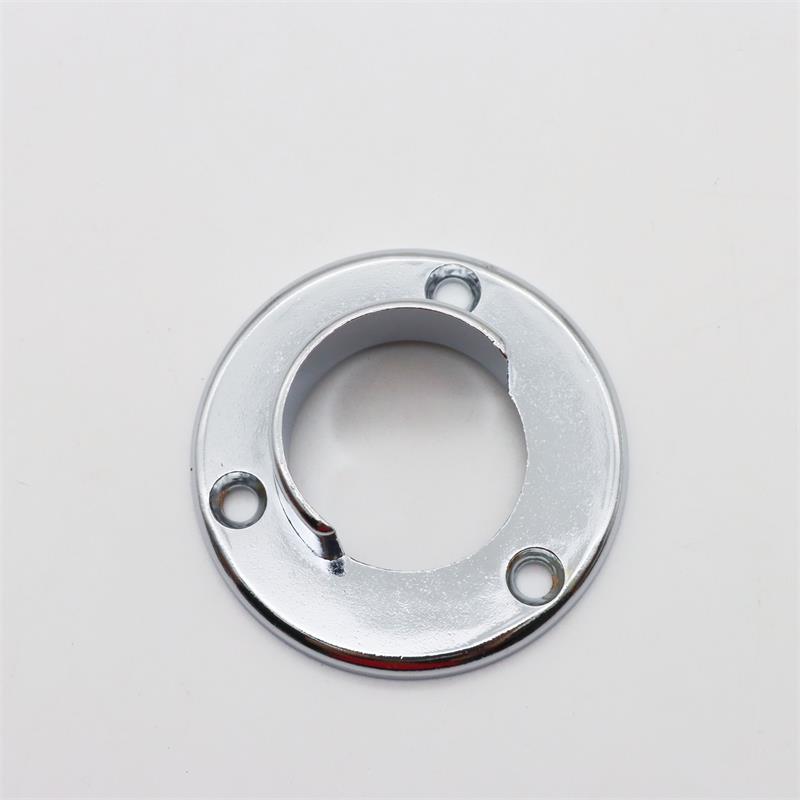
A standard 90-degree angle experiences massive cantilever stress. When weight pulls down on the horizontal arm, the corner joint wants to pry open. Gussets exponentially increase the load-bearing capacity. They act as a physical bridge across the angle. This prevents the metal from bending or snapping under cantilever stress. A well-designed Wardrobe Bracket always features this reinforcing geometry to distribute downward force back into the wall.
Many hardware failures occur because consumers misunderstand load ratings. You cannot simply read a number on a box and assume safety. Engineering metrics often rely on isolated testing environments. Real-world applications introduce movement, friction, and varied distributions of weight.
Manufacturer weight limits typically assume a perfectly distributed static load. Testers mount the hardware directly into solid wood studs. They then apply dead weights evenly across the spanning rod. Real-world applications rarely match this ideal setup. People bunch winter coats together. They hang heavy denim on one side of the rod. This uneven distribution forces a single mounting point to bear the majority of the weight.
You must clearly define what qualifies as "heavy duty" before purchasing. A true Heavy Duty Wardrobe Bracket generally supports 100 or more pounds per linear foot. Standard hardware often maxes out at 30 to 50 pounds. You will find heavy-duty capacities absolutely necessary for specific storage scenarios. Dense collections of winter coats demand them. Motorized wardrobe lifts require robust anchoring. Deep top-shelving units holding suitcases also push standard limits. If you anticipate any of these use cases, upgrade your hardware specifications immediately.
Static weight represents clothes hanging perfectly still. Dynamic load represents clothes in motion. Dynamic stress destroys inadequate hardware rapidly. You must account for two primary variables.
First, consider the friction from sliding metal hangers. Dragging five heavy suits across a rod creates lateral pull. This lateral force yanks outward on the mounting screws. Basic hardware eventually works itself loose under this repetitive pulling.
Second, evaluate uneven movement or sudden stops from pull-down wardrobe lifts. Hydraulic lifts allow users to access high storage. When users pull these lifts down rapidly, they sometimes hit the bottom of the mechanism hard. This sudden stop sends a shockwave of kinetic energy directly into the bracket's mounting points. These compounding stresses mandate over-engineering your hardware choices.
Hardware durability extends beyond raw weight limits. Environmental conditions silently degrade metal over time. You might install the strongest steel available. However, if rust compromises its grain structure, the entire system will fail. You must match the hardware finish to the surrounding climate.
Interior closets are not immune to weather conditions. Walk-in closets adjacent to master bathrooms face severe daily humidity fluctuations. Hot showers pump steam into the air. This moisture settles onto cold metal surfaces. Micro-condensation accelerates rust on untreated or poorly treated metal. It attacks the joints and screw holes first. Over time, the structural integrity weakens from the inside out.
Your physical location also dictates hardware requirements. Coastal properties risk aggressive salt-air corrosion. Salt accelerates oxidation rapidly. If you live near an ocean, standard steel hardware will corrode within a few years. These environments require specific material standards, such as marine-grade aluminum or heavily sealed steel components.
The protective coating on your hardware acts as its primary defense mechanism. You must evaluate the specific finish applied by the manufacturer.
Powder Coating: This process electrically bonds dry powder to the metal. It is then baked in a curing oven. Powder coating offers a durable, moisture-sealed barrier. It performs vastly superior to standard liquid paint, which easily chips under impact.
Anodizing (for Aluminum): Anodizing is an electrochemical process. It artificially thickens the natural oxide layer on aluminum parts. It hardens the exterior significantly. This prevents surface scratches from hangers that could lead to deeper material degradation.
Electroplating (Chrome/Nickel): Many decorative pieces use electroplating. You must critically examine it for thickness. Thin plating flakes under constant hanger friction. Once the plating flakes off, it exposes the raw, vulnerable metal beneath to immediate rust.
Premium hardware requires a premium foundation. Buying top-tier components means nothing if you mount them improperly. The interaction between the wall substrate, the fasteners, and the hardware creates an interconnected system. A failure in any single component ruins the entire installation.
A bracket's durability is directly tied to its anchor point. We call this the weakest link principle. The strongest metal arm cannot support weight if the screws rip out of the wall. You must view the installation as a holistic ecosystem. Every piece must match the load rating of the others.
The wall material dictates your installation method. You cannot treat all walls equally. Assessing your substrate correctly prevents disastrous collapses.
Wood Studs / Blocking: Drilling directly into structural lumber remains the only reliable method for maximum durability. Solid wood grips the screw threads tightly. It resists the downward shear force effectively. If framing does not align with your layout, you should install horizontal wood blocking behind the drywall during construction.
Drywall/Plaster: You face a high risk of pull-out failure when mounting directly to gypsum board. Drywall consists of chalky dust compressed between paper. It possesses terrible shear strength. While toggle bolts provide temporary stability, they cannot compensate for heavy dynamic loads. The constant wiggling of taking clothes on and off slowly crushes the gypsum. Eventually, the anchor pulls straight through the wall.
Screws are the unsung heroes of closet installations. You must actively avoid the cheap, low-grade screws often bundled with consumer hardware. Manufacturers often cut costs here. Cheap screws feature soft metal alloys. When you drive them into dense wood, the screw-heads often snap off.
Specifying hardened steel screws resolves this issue. Hardened steel possesses exceptionally high shear strength. It resists the downward cutting force of a fully loaded rod. It prevents screw snapping during initial installation. Furthermore, it guarantees long-term stability as dynamic loads shift across the rod.
You now understand the metallurgy, load dynamics, and installation requirements. The final step involves filtering available products. You need a systematic approach to eliminate inadequate hardware. Applying strict shortlisting logic saves time and ensures a permanent fix.
You must match the hardware specification to the specific use case. Use the following chart as an evaluation matrix to determine the minimum acceptable standards for different scenarios.
| Application Scenario | Required Load Rating | Mandatory Structural Features | Recommended Finish |
|---|---|---|---|
| Standard Residential (Shirts/Pants) | 40 - 60 lbs per foot | Stamped gussets | Standard paint or thin plating |
| Heavy Winter Coat Storage | 80 - 100+ lbs per foot | Thick cold-rolled steel, deep gussets | Powder coating |
| High-Density Retail Display | 120+ lbs per foot | Welded joints, multiple anchor holes | Industrial anodizing or chrome |
| Bathroom Adjacent Walk-in | 60 - 80 lbs per foot | Extruded aluminum base | Powder coating (moisture sealed) |
When reviewing product specifications, watch for immediate disqualifiers. Reject any hardware using thin gauge metals under 2mm thick. These will bend under moderate weight. Reject designs showing a complete lack of structural gussets on 90-degree corners. Finally, avoid products boasting ambiguous load ratings. If a manufacturer claims a 200 lb capacity but doesn't specify the required mounting substrate (like wood studs), they are masking poor engineering.
To finalize your hardware selection, follow a strict auditing process. This ensures your final purchase aligns perfectly with your physical space.
Audit your closet layout: Measure the exact span of your intended hanging rods. Locate and mark every single structural wall stud behind the drywall using a reliable magnetic stud finder.
Calculate the estimated maximum weight: Combine the total weight of your heaviest clothing. Add the physical weight of the rod and any top shelving materials. Use winter coats to establish your baseline maximum weight.
Apply the safety buffer: Source hardware that exceeds your calculated maximum weight rating by at least 20%. This built-in buffer accounts for dynamic wear, friction, and accidental overloading over the years.
The true durability of a wardrobe setup is an equation. It requires combining superior material quality, appropriate environmental resistance, and proper mechanical installation. You cannot ignore one variable without compromising the whole system. A beautiful closet loses its appeal instantly if it collapses under the weight of winter coats.
We advise you to prioritize structural integrity over purely aesthetic designs. Always review detailed specification sheets carefully. Look for high yield strengths, structural gussets, and moisture-resistant finishes. If you plan to install motorized lifts or handle extremely dense wardrobe collections, consult with hardware specialists. Securing high-load applications right the first time prevents property damage and ensures your storage solutions last a lifetime.
A: Typically, you should space them 32 to 36 inches apart. However, they must align exactly with wall studs. Standard framing uses 16-inch or 24-inch centers. Hitting these studs is mandatory to prevent the rod from sagging under heavy loads.
A: No. While heavy-duty drywall anchors certainly exist, they are insufficient. The constant dynamic movement of taking clothes on and off creates lateral pulling forces. This friction will eventually compromise and crush the gypsum board, causing a complete failure.
A: Uneven movement is often caused by uneven weight distribution across the rod. It can also stem from unlevel bracket installation. Additionally, fatigued hydraulic or pneumatic mechanisms may be failing to support the dynamic load equally across both lifting arms.


